

Abortion

Abortion
Many women who discover they’re unexpectedly pregnant, consider abortion the “easy” way out. They make a quick decision out of fear. It’s important to take your time and think through every option.
Abortion is a serious medical procedure and you deserve to have the facts about methods, side effects, and possible risks beforehand.

No-Cost Pre-Abortion Screening
Our trained staff members are here to educate, not judge you. Ohio abortion laws are changing and we want to provide you with detailed information. A no-cost appointment at Aim will give you the most up-to-date facts before you make an appointment for an abortion. While we do not perform abortions or prescribe abortion pills in our office, making an appointment at Aim will help you figure out how far along you are and what your options are before making any major decisions.
What does a pre-abortion screening include?
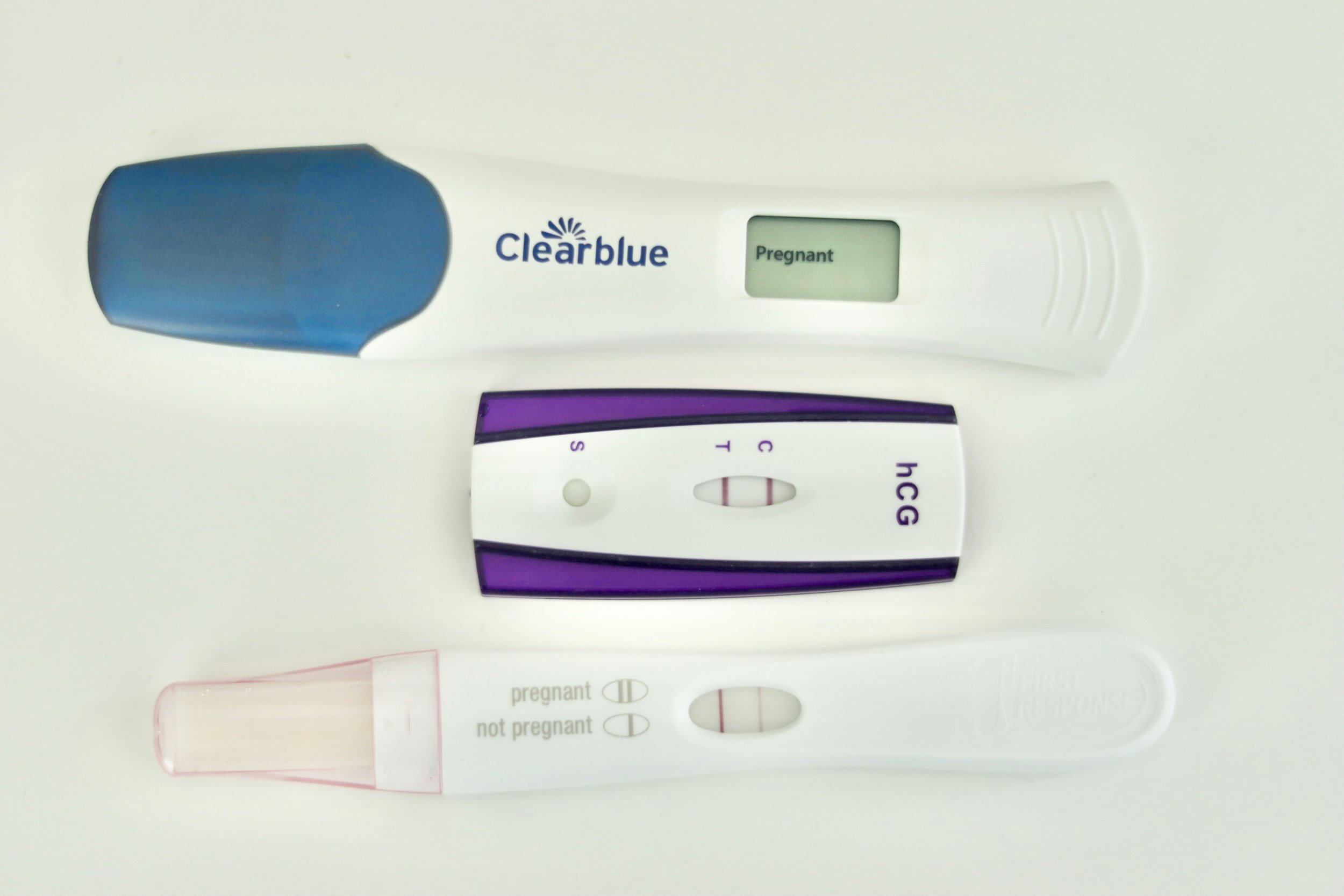
1. Pregnancy Test
You’ll want to confirm you’re actually pregnant first. Your next best step is to take a no-cost pregnancy test at Aim. Even if you’ve taken an at-home pregnancy test, it’s important to get a second verification.
2. Ultrasound
Since as many as 20% of known pregnancies end in miscarriage, you’ll want to get a no-cost ultrasound scan after a positive pregnancy test result. Ultrasound shows whether you’ve miscarried or not. Obviously, if you’ve miscarried, there’s no reason to make an appointment at an abortion clinic.
If you haven’t miscarried, an ultrasound will tell you how many weeks you’ve been pregnant. The number of weeks determines what type of abortion procedure you would qualify for.
3. STI/STD Testing And Treatment
In addition, it’s important to get tested for STI/STDs. If left untreated before an abortion, you run the risk for pelvic inflammatory disease (PID).
4. Explanation of Different Abortion Procedures
There are several different abortion procedures depending on how far along you are in your pregnancy. Medication abortion is performed for pregnancies under 10 weeks. It uses two powerful drugs over a 24 to 48-hour time period.
If you’re farther along in your pregnancy, you’ll need to have a surgical abortion. The different methods require dilating your cervix for pregnancy tissue to pass through. Vacuum aspiration, scraping with a curet, and forceps are used depending on how far along you are.
Abortion: Side Effects And Risks
As with any medical procedure, there are side effects and possible risks. It’s important to know what to expect both physically and mentally.
Expect intense abdominal cramping, heavy bleeding, fever, and nauseousness. The risks of a medication abortion include an incomplete procedure which may need to be followed by surgical abortion, infection, and heavy and prolonged bleeding. For a surgical procedure, you have the potential for uterine perforation, infection, heavy bleeding with blood clots, and damage to your cervix.